

Common Practice Under Scrutiny

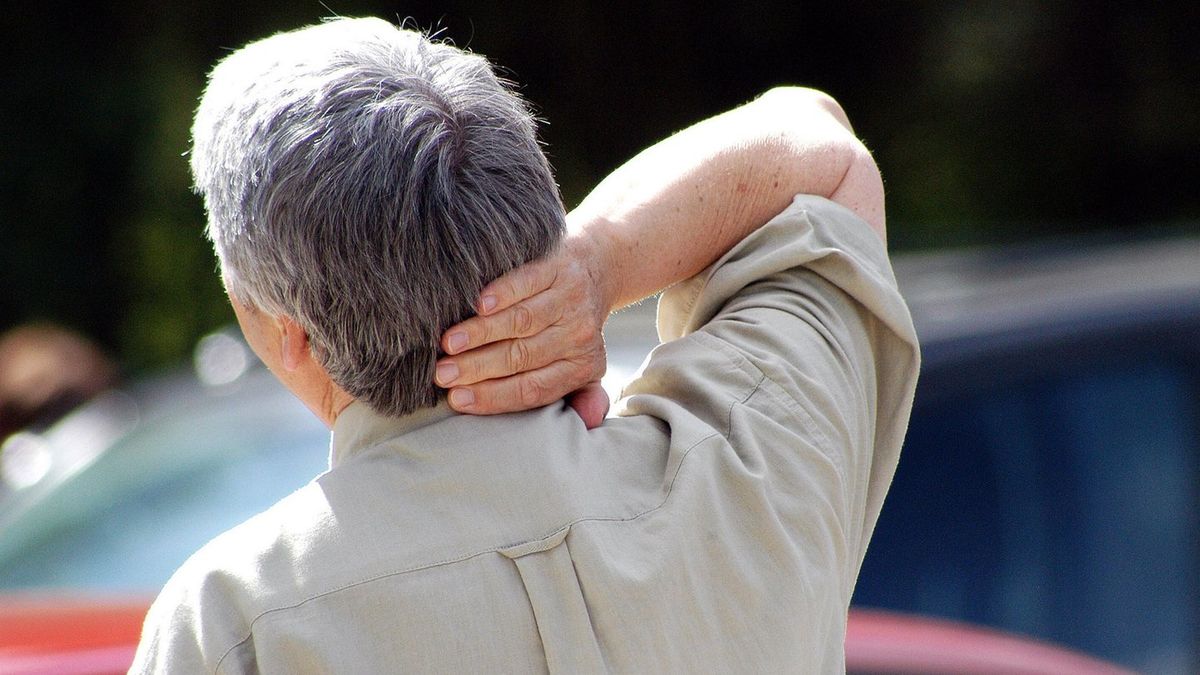
Many individuals often resort to cracking their necks to alleviate stress.
However, a chilling simulation may prompt a rethink among habitual neck crackers. Shared on YouTube by plastic surgeon Dr. Michael Gartner, the animation details the potential health risks associated with this common practice.
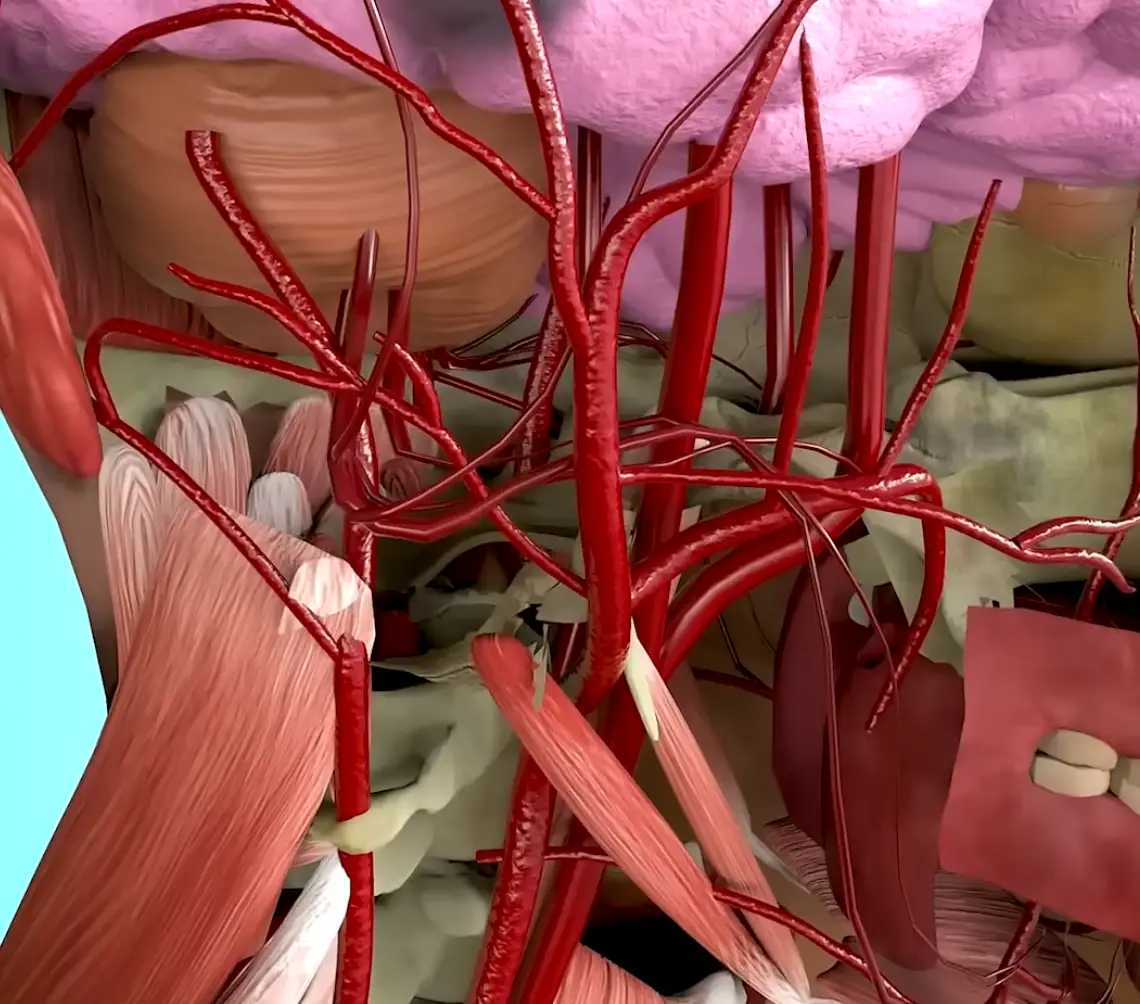
The joints in our neck are surrounded by synovial fluid. When these joints are twisted, the pressure within decreases, leading to the rapid formation and collapse of gas bubbles, a phenomenon known as cavitation.
The narrator of the video explains: “Cracking your neck causes joint movement that can occasionally result in the bursting of small air bubbles in the fluid, producing that characteristic popping sound.”
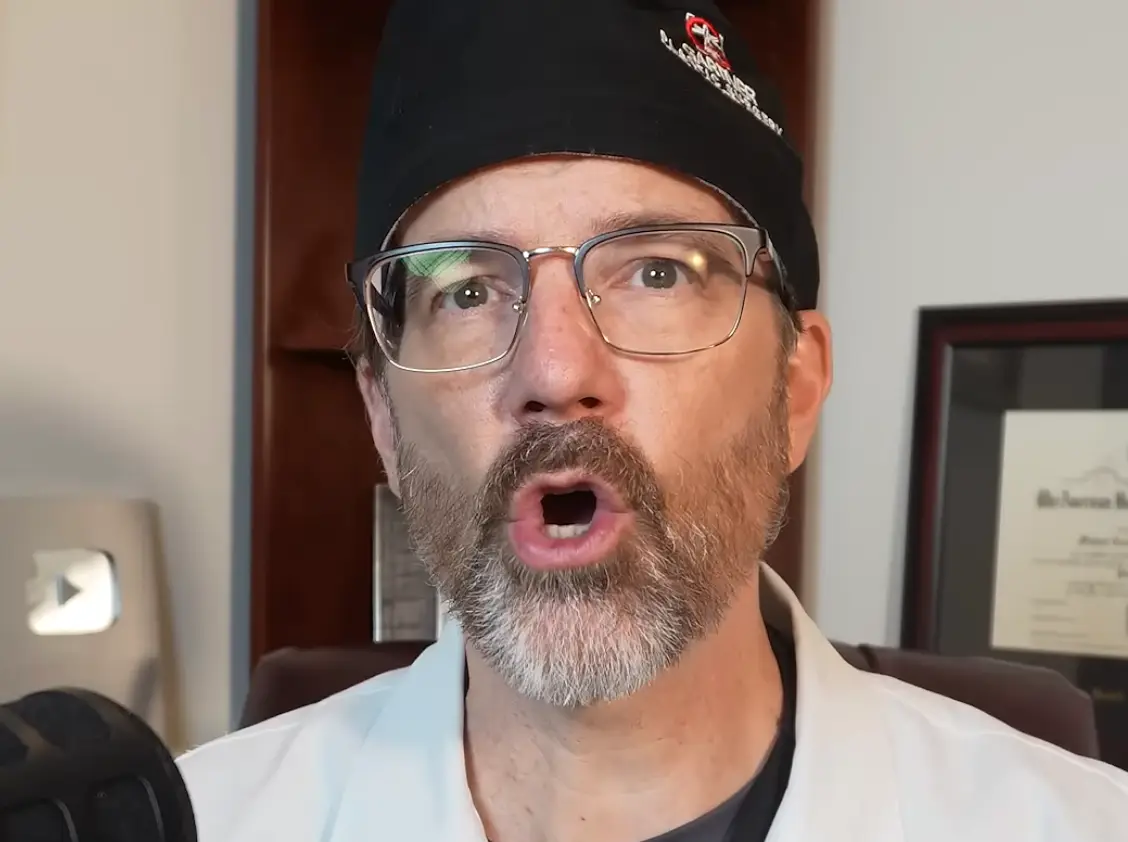
In agreement, Dr. Gartner pauses the video to affirm this explanation.
“This is accurate,” he states to his followers. “When the joint capsule is stretched, it can cause fluid shifts that create air bubbles, leading to the popping sound during moveLment.”
The unsettling simulation further illustrates the accidental formation of blood clots, which can have severe consequences. The warning states: “A forceful twist of the neck may tear a blood vessel’s lining, potentially resulting in a blood clot that could reach the brain. This could block blood flow and result in a stroke.”
Dr. Gartner reassures viewers that while strokes from neck cracking are exceedingly rare, he recommends avoiding abrupt movements in favor of gentle stretching exercises. “The essential advice is to seek professional guidance when addressing any neck issues to ensure safety,” he advises.
In the comments section, viewers expressed their shock at the simulation’s unsettling revelations. One user remarked, “New fear unlocked,” while another questioned the rationale behind neck cracking. A third commenter warned, “Frequent neck cracking can lead to osteoarthritis in old age,” and another cautioned, “Cracking any body part without professional help is ill-advised.” A humorous outlier joked, “I crack my neck daily, so I must be immortal.”
This discussion follows another graphic simulation revealing the physiological changes occurring when individuals quit vaping abruptly. It depicts the initial feelings of anxiety and irritability on the first day, with headaches and mucus production by day three. The body undergoes significant discomfort due to cravings and cognitive fog, but recovery improves over time.
The NHS recommends a gradual reduction of nicotine intake instead of a sudden cessation, suggesting users purchase liquids with lower nicotine levels and extend the time between vaping sessions.

