

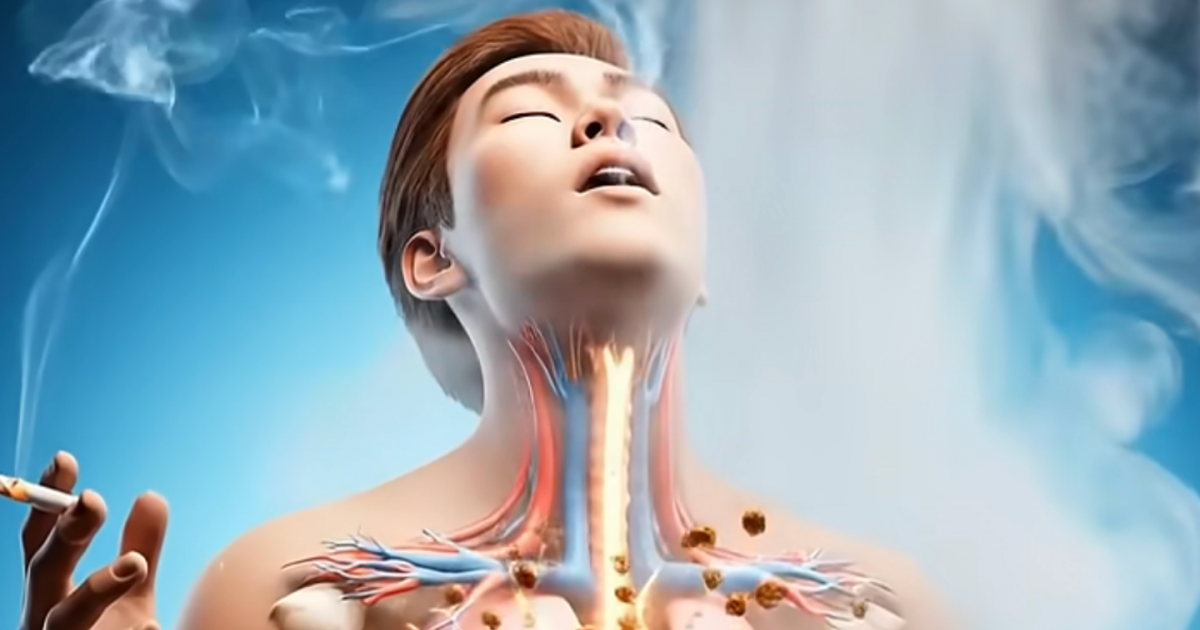
A viral video has surfaced online detailing the effects of cannabis on the mind and body after a month of daily use.
This video, which has gained significant attention, explains the physiological and psychological changes that occur when a person smokes weed every day for 30 days.
In the UK, cannabis consumption is prevalent, with estimates indicating that approximately 13.8 percent of individuals aged 16 to 24 partake, as reported by the Priory Group.
Although many individuals regard cannabis as a benign recreational substance, particularly since it is derived from a plant, prolonged use of the dried flowers can elicit responses and changes that might be unforeseen.
The YouTube channel Untold_Healing elaborates on how the body reacts once cannabis enters the system, which can differ significantly from common perceptions, especially with frequent usage.
As with any substance, regardless of how benign someone may perceive it, there are inherent risks associated with its use, warranting careful consideration.
With this in mind, let’s explore what the simulation suggests occurs within your body over 30 days of constant cannabis consumption:
The simulation indicates that the initial intake acts similarly to a surge of dopamine, providing an immediate rush of the brain’s pleasure-inducing chemical. This reaction can occur whether consumed through smoking, edibles, or infused beverages.
This initial experience often leaves users feeling relaxed, mellow, and generally happy following their first encounter with cannabis. However, the enjoyable effects dissipate relatively quickly.
According to research from the American Addiction Centers, while numerous individuals experience relaxation or euphoria from marijuana, others may instead face anxiety, panic, or feelings of paranoia, showcasing the variability in individual responses.
Ultimately, an individual’s reaction to cannabis is highly personal and influenced by their unique sensitivity to the substance.
The initial surge of joy isn’t permanent. Within five days, tolerance begins to build, suggesting your body is adapting to the effects and requiring increased cannabis intake to achieve that initial high.
This phase can become complex, as users may find themselves consuming more in an attempt to recapture the sensation felt on day one.
[IMAGE_PLACEHOLDER_3]
At the two-week mark, the simulation indicates that memory begins to decline noticeably.
It reports that the capacity for forming new memories is adversely affected, with a notable 18 percent reduction in short-term memory consolidation, particularly impacting individuals under 25 the most.
The American Addiction Centers further emphasize that habitual marijuana use during youth is linked to hindered learning capabilities, diminished memory, and impaired impulse control, as well as alterations in brain development when heavy use initiates before the age of 18.
By the 20th day, according to the simulation, signs of dependency often start to surface, with approximately one in five regular users potentially developing what is classified as addiction.
This condition is referred to as cannabis use disorder.
The UK Addiction Treatment Centres define this trend as a situation where individuals find it challenging to quit and begin to depend on cannabis to manage their daily activities or emotional challenges.
For many at this stage, abstaining from cannabis can lead to significant distress, as their bodies and minds have become accustomed to the regular high.
At the conclusion of the 30 days, the simulation illustrates that ceasing use abruptly can be a challenging experience.
It details that your body has adjusted to daily THC consumption, and its removal may trigger uncomfortable withdrawal symptoms.
These symptoms can manifest as sleep disturbances, irritability, and ongoing anxiety, which the video claims can persist from two to six weeks.
The American Addiction Centers further notes that regular, prolonged use can lead to physical dependence, with withdrawal symptoms usually peaking within the initial week after cessation and potentially lasting for up to two weeks.

