

Research Highlights Immediate Risks of Vaping
A recent investigation explored the impact of vaping on the immune response to Covid-19 and influenza.
New findings indicate that even short-term vaping can inflict significant damage to the lungs. A study published in the scientific journal JCI Insight links brief vaping sessions to injuries in the most sensitive areas of the lungs.
The research suggests that ongoing exposure may lead to chronic lung conditions due to continuous cellular harm and disruption of the body’s natural repair processes.
According to Dr. Irina Petrache, the senior author of the study from National Jewish Health, “Some effects persisted after exposure ended and altered the immune response to a subsequent viral infection.”
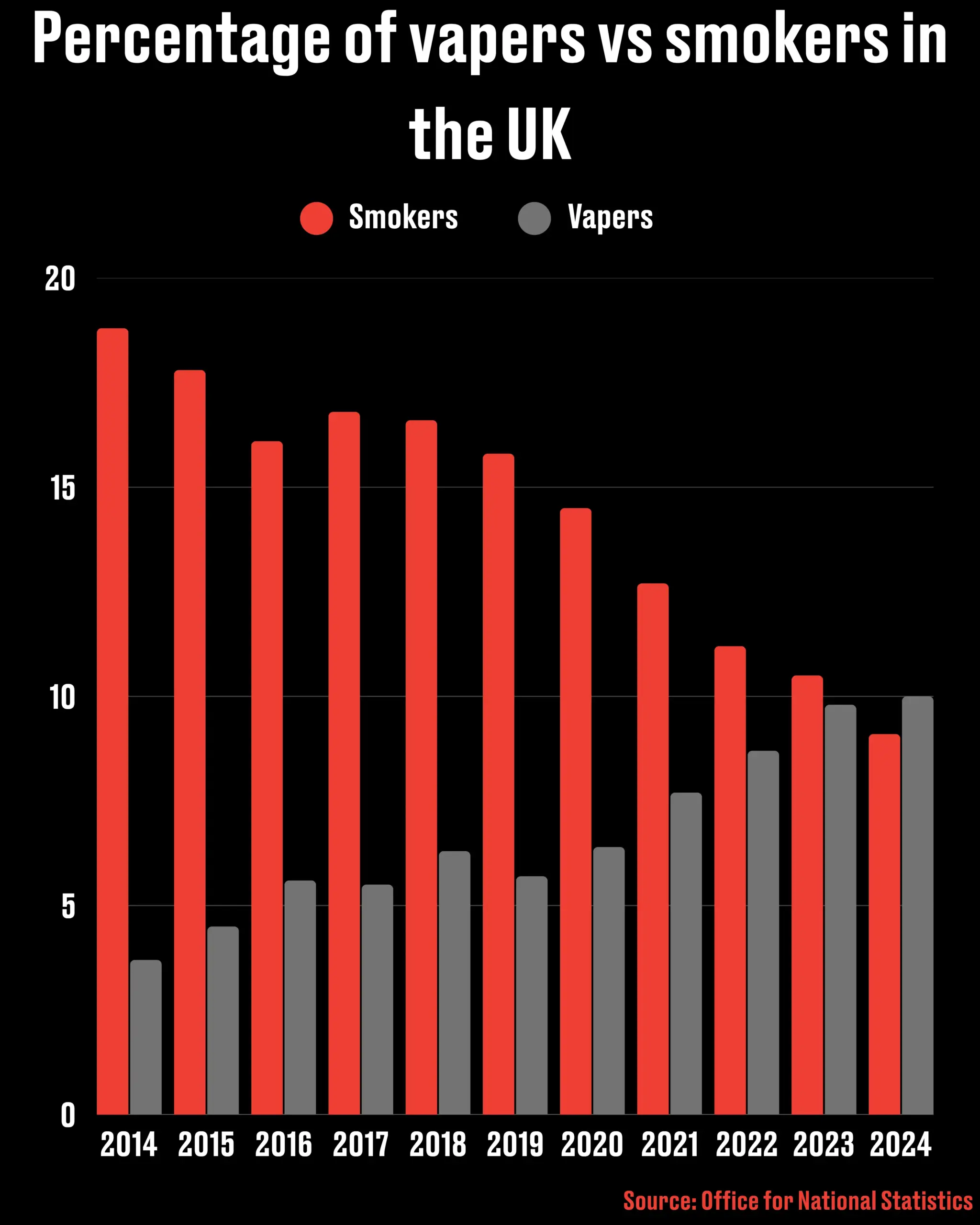
In the last decade, vaping has surged in popularity, particularly among younger demographics seeking alternatives to traditional smoking. An ONS survey indicates that 5.4 million adults now vape, surpassing the 4.9 million who smoke cigarettes.
Despite the rising trend, research has not fully addressed the long-term implications of vaping, leaving many users unaware of the potential health risks involved.
The latest advice from the NHS suggests that vaping may be a less harmful option for current smokers, as it eliminates many toxic substances found in cigarettes, such as tar and carbon monoxide, which are linked to serious health issues like lung cancer and heart disease.
However, this does not imply that vaping is entirely safe. Health experts advise individuals who have never smoked or vaped to refrain from starting.
In the study by National Jewish Health, researchers examined how the distal lung tissue—the area where oxygen enters the bloodstream—reacted to e-cigarette vapor alone and in combination with respiratory viruses (specifically, either influenza A or SARS-CoV-2).
Within just 24 hours, exposure to e-cigarette vapor was shown to damage the distal lung’s protective barrier, induce cellular stress, hinder the internal processes responsible for clearing damaged cells, slow down growth and repair, and enhance cell death.
Remarkably, signs of lung distress continued for up to 10 days after a mere five days of exposure, as noted in the study.
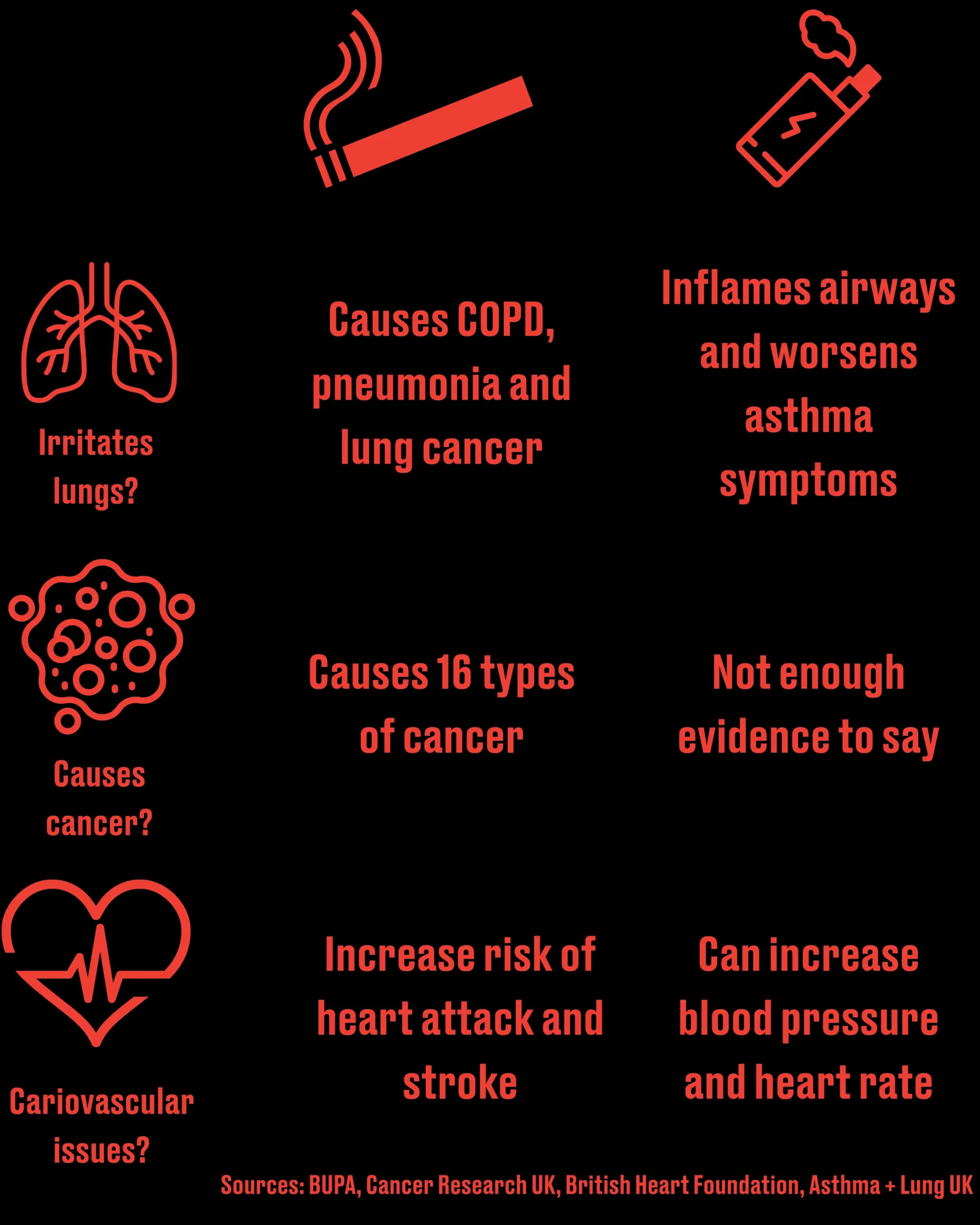
The researchers also documented enduring alterations in barrier function, tissue remodeling, and Th1 immunity, which is essential for combating viral infections. Past exposure to vaping increased the viral load of SARS-CoV-2 and suppressed several antiviral genes after infection.
Petrache concluded, “The findings, which will need to be confirmed in future studies involving human subjects, suggest biological mechanisms that may clarify the association between vaping and lung injuries, as well as heightened vulnerability to respiratory infections.”

